Opens in a new tab

Four Future
Seasons

Keynote · Futures thinking, leadership, strategy

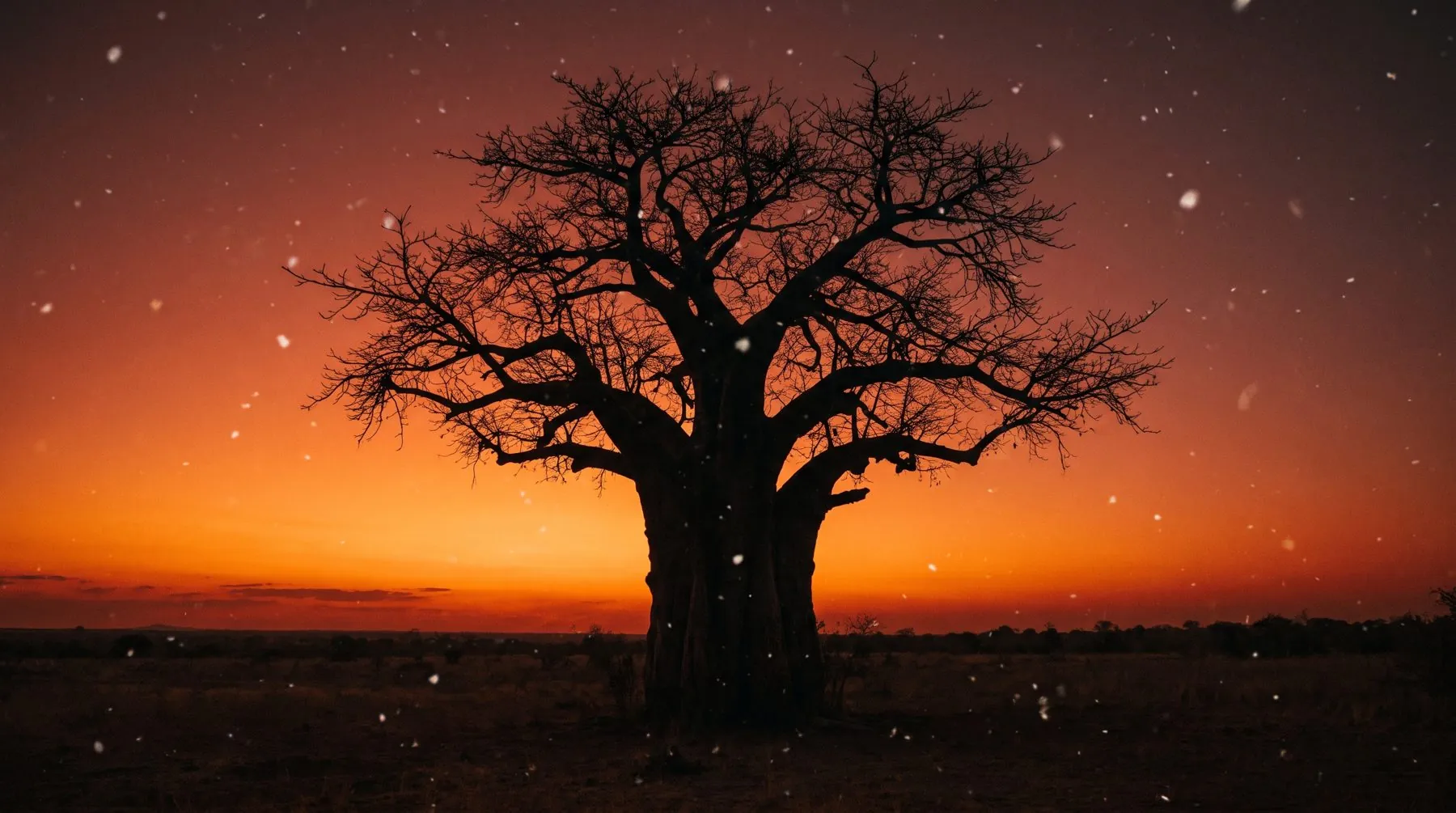
A baobab tree standing in snow
Baobab trees at dusk

Winter is no longer coming, it is here.

Most leaders plan for a singular future as an extension of the past, so when it does not arrive as expected the planning is rendered useless. This talk, based on Craig’s PhD, demonstrates how to think through multiplicitous seasons using “backcasting”, where you work backwards from a preferred future.

Best for

Boards and executive teams at a strategy reset, annual planning cycles, and conferences where the audience spans sectors.

A baobab tree standing in snow

Four Future Seasons

The problem

Most leaders plan for a singular future that is an extension of the past, through a lens with a single focus, mixed with data from business models, economic and financial forecasts and resource plans. Should the future not unfold as their business and strategy plans catered for, all of that planning and preparation is rendered useless, e.g. COVID-19 causing most businesses to stutter. Most organisations fail as they are anchored in the belief that the future is an extrapolation of the past, whether revenue, ROI or customer growth, and that they can control their own destinies. Furthermore, even though they know it in their personal capacity, organisations only plan for a singular future. Don’t believe it? Look at their annual financial plans, CEO’s letter or board pack, and all of them allude to a singular future.
Baobab trees at dusk

Four Future Seasons

What is
happening now

Organisations mostly planning for “summer” (where data is apparent) are lulled into a false sense of confidence by a confirmation bias built on their own prior success, and that confidence makes them fragile, with their business model tied to stable, slow-moving, long-term elements unable to respond when a discontinuity arrives beyond the business or economic forecast. The futures that undo an organisation are rarely the ones considered, but the ones deemed impossible, which is the difference between a measured risk and what the economist Frank Knight called uncertainty (Risk, Uncertainty and Profit, 1921). Winter is no longer coming, it is here.

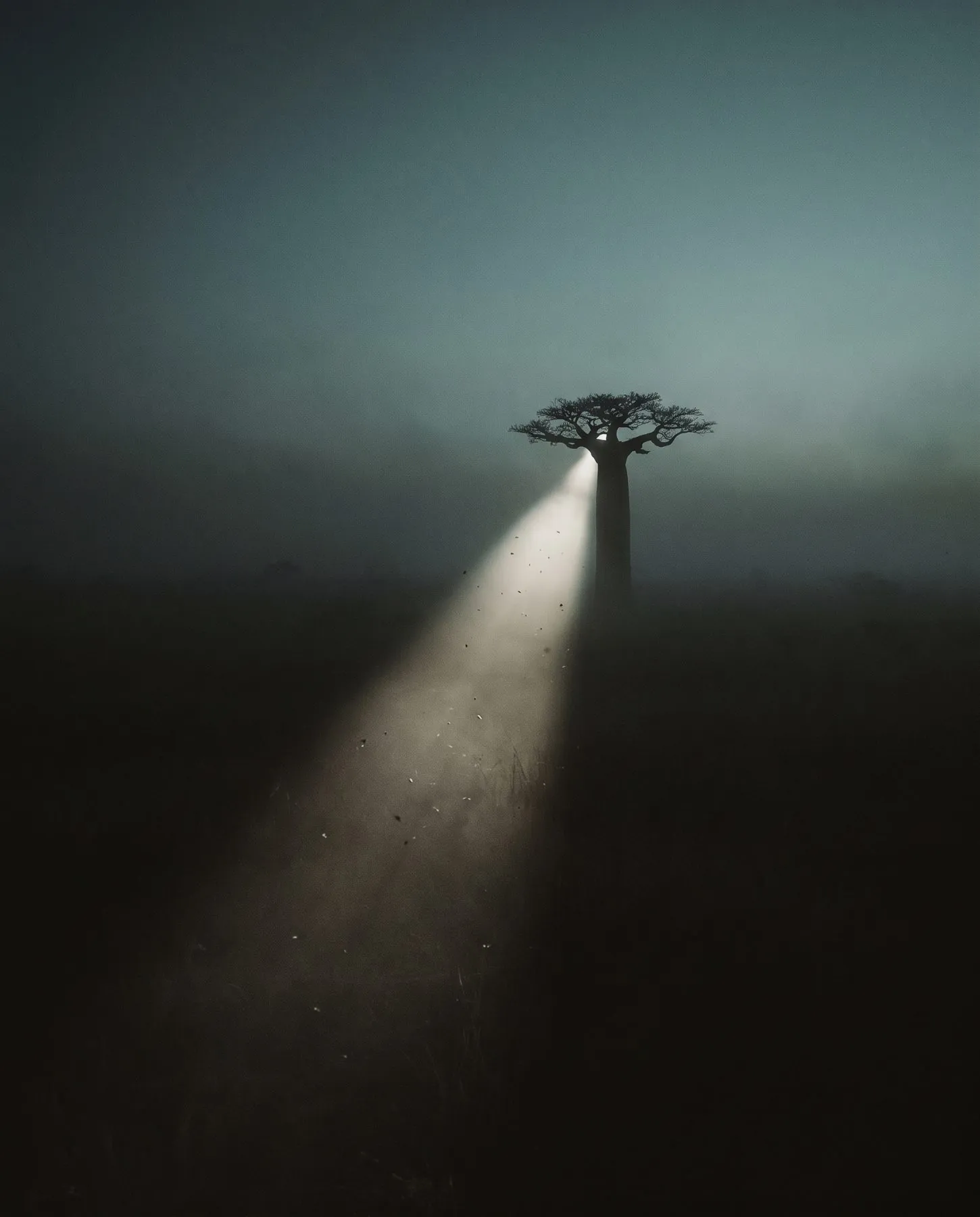
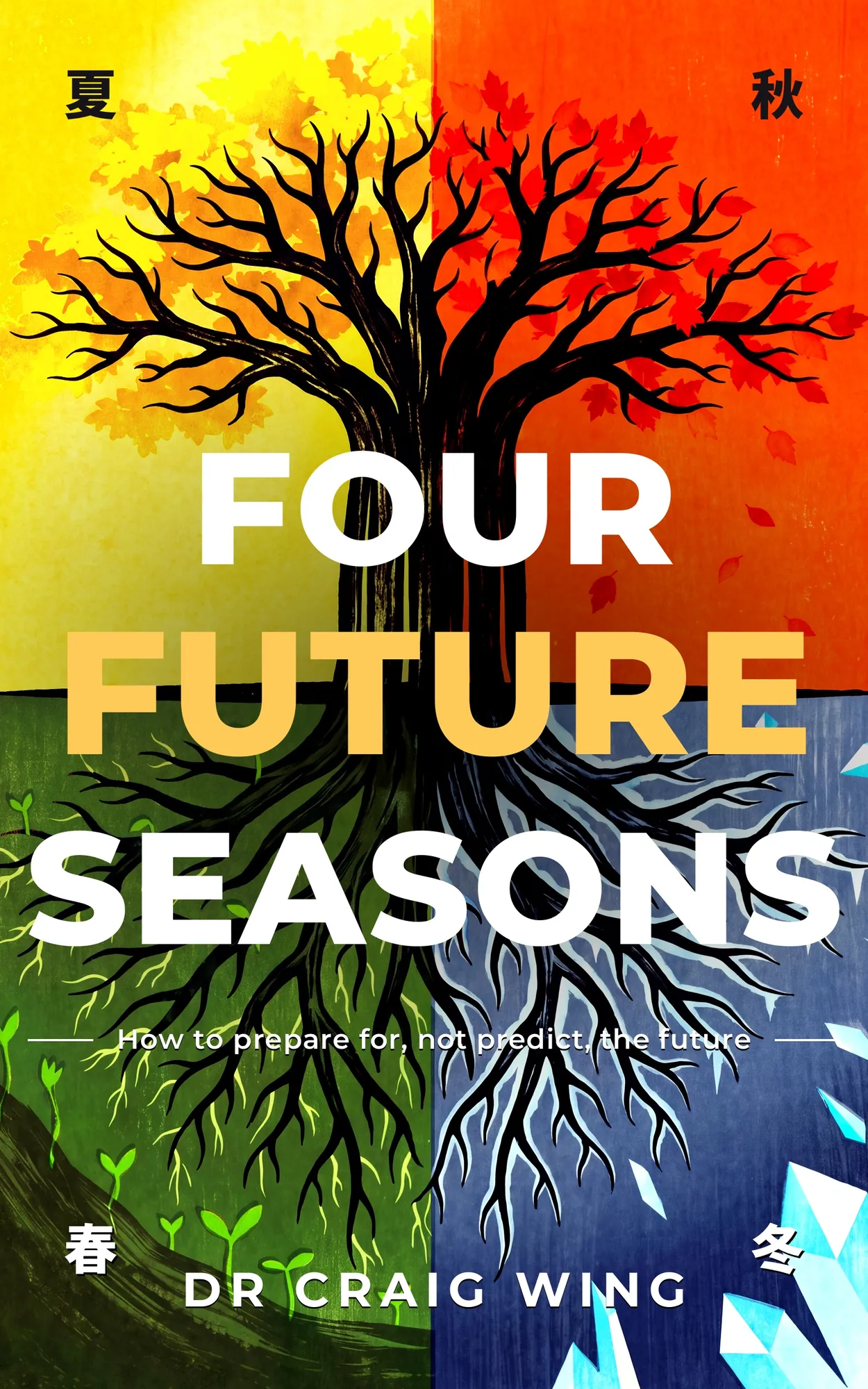
The baobab from the Four Future Seasons cover

Four Future Seasons

The keynote

Four Future Seasons is based on a 4-year PhD study and combines elements of Japanese philosophy, military strategy and psychology to create a framework beyond mere extrapolation and sandbagging to deal with multiplicitous futures.

Four
seasons

How to prepare for, not predict, the future.

The four seasons

Summer

Summer is full of data with 90% confidence rates. Experience is king here and we are able to use traditional tools and methods to plan for the future. However, data is not always a proxy for the future. Most organisations only plan for this, as it is the approach taught and is mostly “business as usual.”

The four seasons

Autumn

Autumn, like the changing colours of leaves, is where we see changes that affect us more and more: geopolitics, technology (like how AI is disrupting everything), climate change, new regional blocs, changing consumer demands and so many more. Craig’s own research shows that when there are more than 3.46 different changes, we are no longer in exponential times; we have transcended into factorials (the working).

The four seasons

Spring

Spring is the future we once held true that we have now forgotten. For example, in the rush to adopt AI we have forgotten the importance of the human being, or how we are pursuing capitalism at all costs, increasing inequality.

The four seasons

Winter

Winter is an absence of data; experience has no relevance here. In fact, there is no playbook, business model or anything relatable from the past. All we know is that “there will be change” but we don’t even know what that change will be.

Baobab trees at dusk
Four Future Seasons, international edition cover

The book behind the keynote

Four Future Seasons

The keynote is drawn from Craig’s book, based on his PhD and published by Penguin Random House.

Penguin Random House South AfricaPublished in South Africa by Penguin Random House
The book
A baobab tree standing in snow

Four Future Seasons

What you get

You will understand how to prepare for a multiplicitous future, where to use qualitative and quantitative tools, how and why traditional business techniques like SWOT or Porter’s forces are outdated, and where to utilise design thinking and an entrepreneurial mindset, along with a reading of which season you are actually in, the signals that mark each transition, and a planning rhythm matched to how conditions move rather than to a three-year cycle. You will also find out what season you gravitate to. Take the quiz

Futures thinkingleadershipstrategy

“There are so many insights in Dr Wing’s talk but the one that stood out for me is that one person’s winter may be another one’s summer, hence why we need to work together and be more diverse.”

Preparation
hardens decisions.

He takes bookings for keynotes, MC and hosting, workshops and advisory work, both directly and through speaker bureaus.

Book Craig